Our Approach
Objective
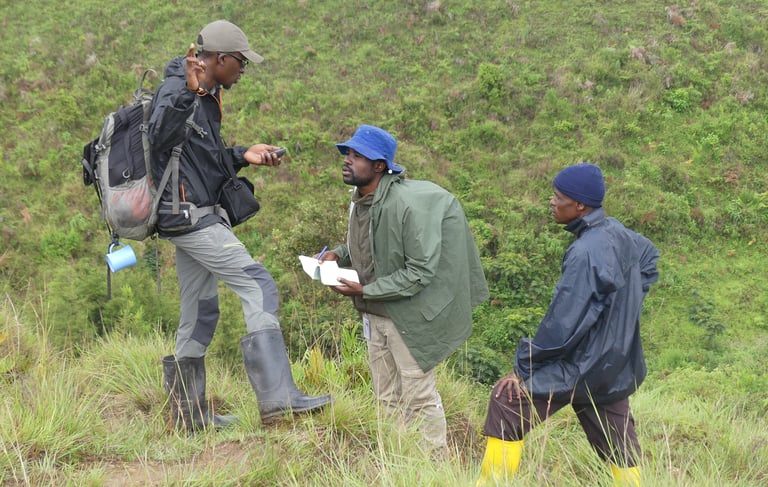
To provide credible scientific data to guide the management of protected areas and the conservation of threatened species in the Democratic Republic of Congo and Rwanda. The approach consists of deploying a set of reproducible methodological tools such as passive acoustics (autonomous recording units – ARUs), camera trapping, GPS telemetry, field inventories (mist-net captures for birds), spatial analyses (QGIS, Google Earth Engine), as well as statistical modelling (R, Bayesian approaches), in order to produce data capable of informing management strategies and conservation status assessments (e.g. IUCN / IUCN Green List).


Methodology
The method consisted of deploying multiple SongMeter units (SongMeter Mini, SongMeter Mini Bat) equipped with SMX-US omnidirectional ultrasonic microphones, conducting recordings from sunset to sunrise at a 384 kHz sampling frequency in full spectrum, with 16-bit resolution. Sampling was carried out over three consecutive nights, twice per year (dry and wet seasons). Data were analysed using Kaleidoscope software v.4.0.4 (Wildlife Acoustics), followed by manual classification at the species/sonotype level. Statistical modelling (R) of the effects of habitat type on species richness, activity, diversity, and assemblage composition is planned.
Going Further…
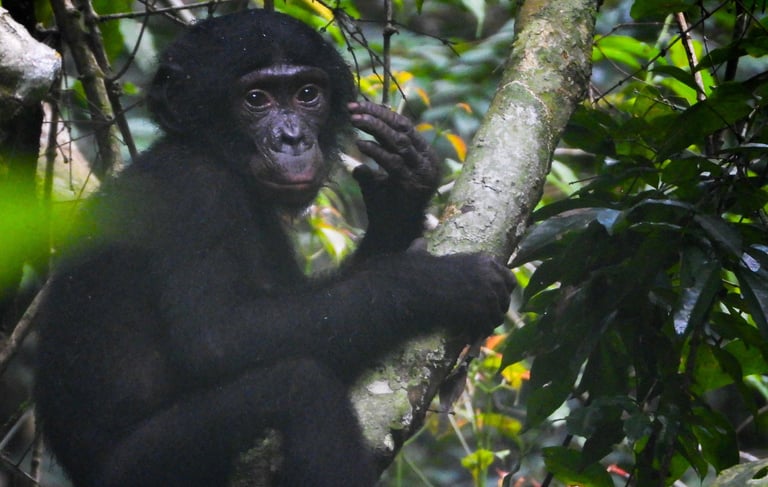
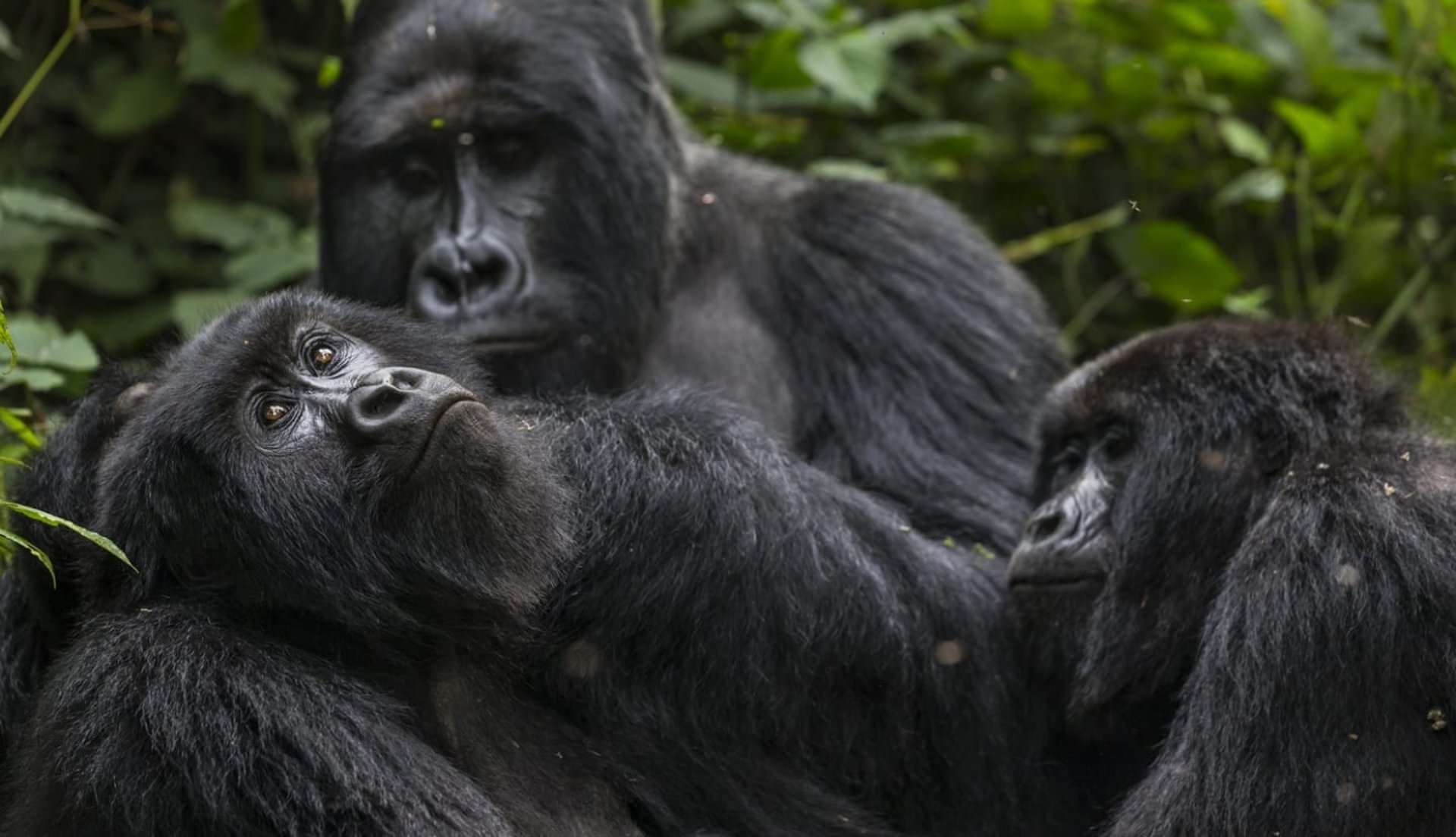
Artemis Africa is implementing dedicated monitoring protocols for several emblematic and priority species of the Congo Basin, including the Bonobo, Grauer’s Gorilla, and the Okapi. These actions are based on institutional collaborations and complementary methodological approaches aimed at assessing the compliance of protected areas with international standards (IUCN Green List), documenting anthropogenic pressures affecting populations, and testing innovative detection and monitoring tools (acoustics, environmental DNA, camera trapping). The objective is to improve the quality of available data in order to strengthen conservation strategies and, where appropriate, contribute to the revision of the conservation status of these species.