The Congo Basin at a Crossroads
The Heart of Africa's Green Lung
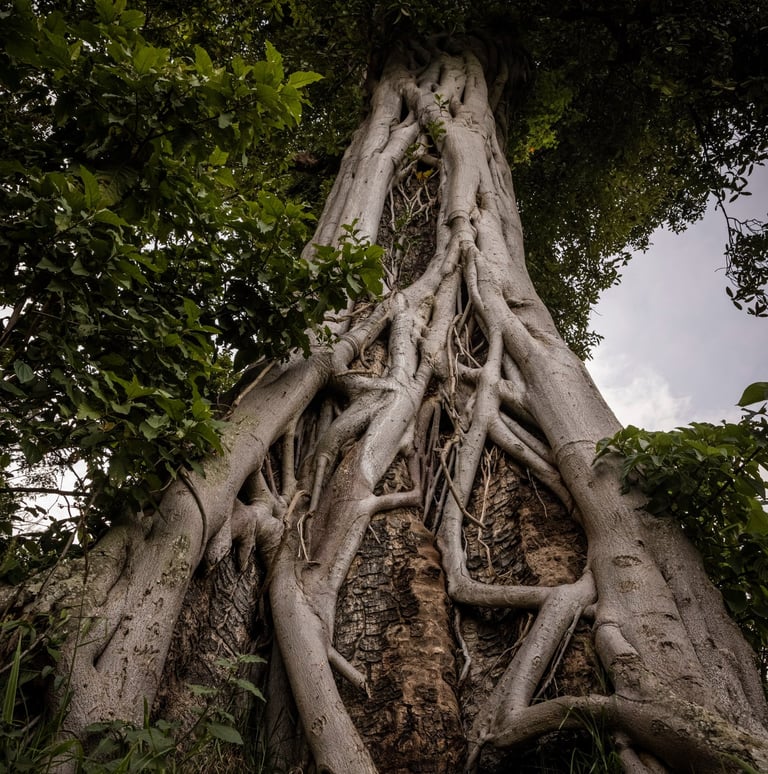
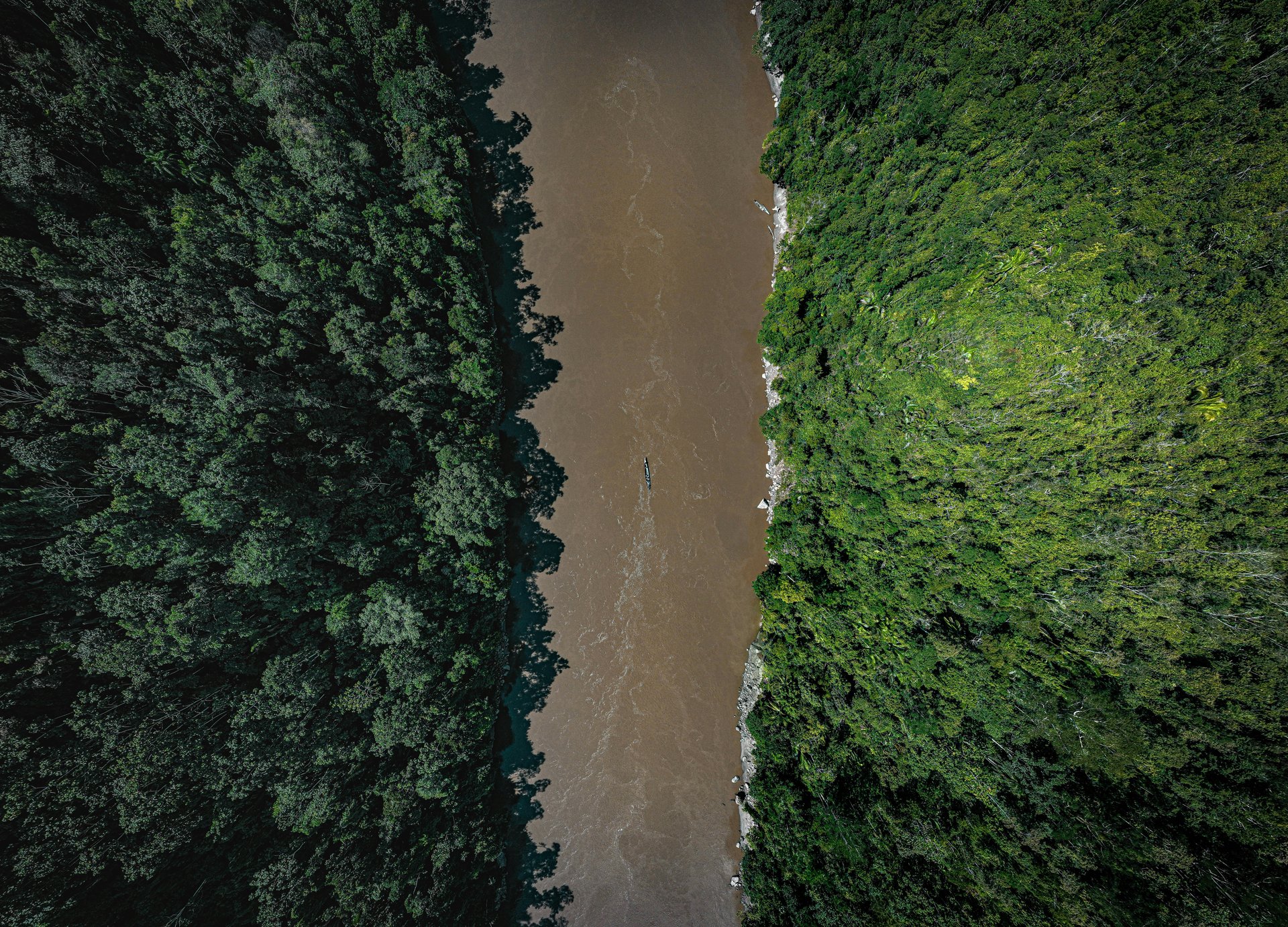
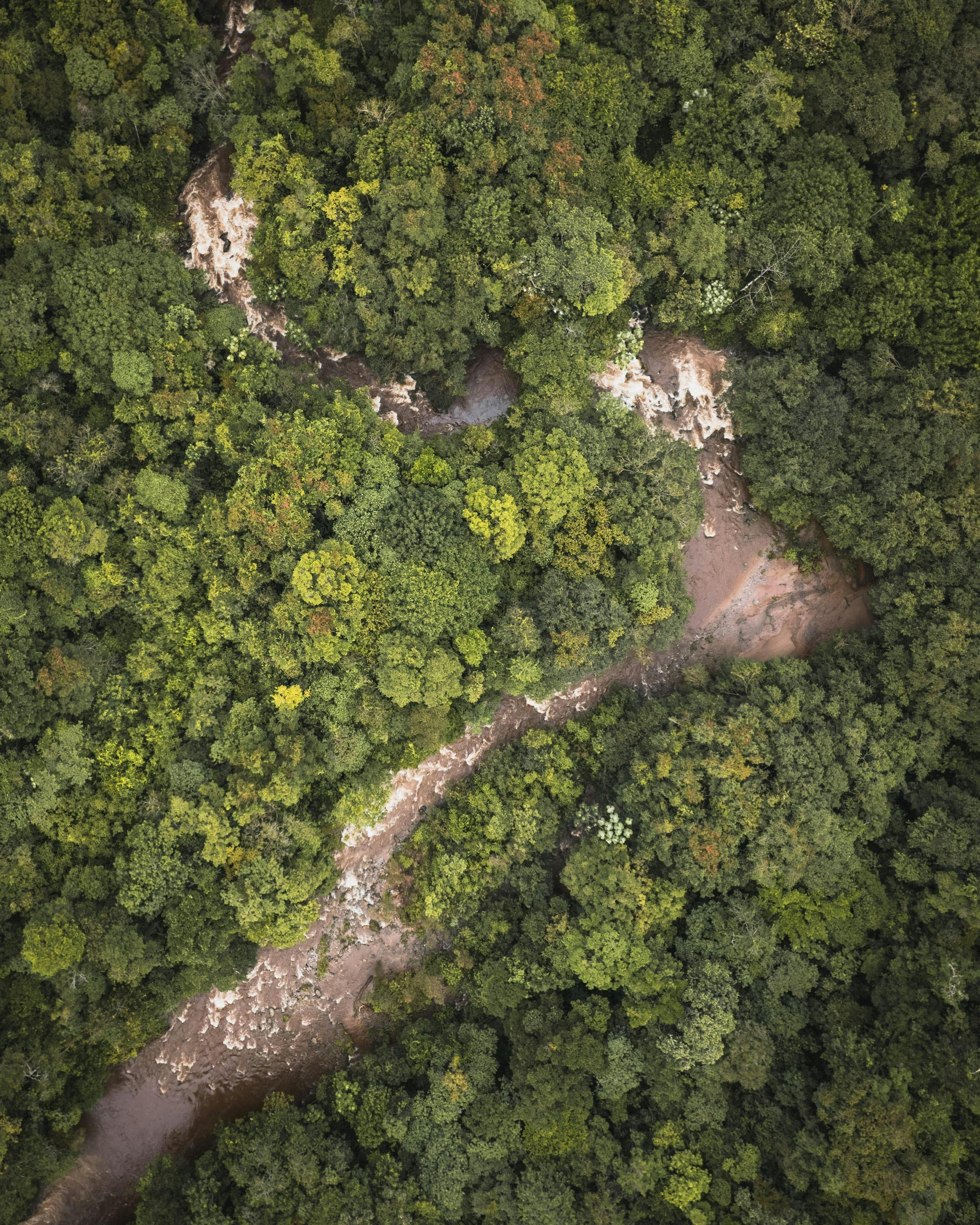
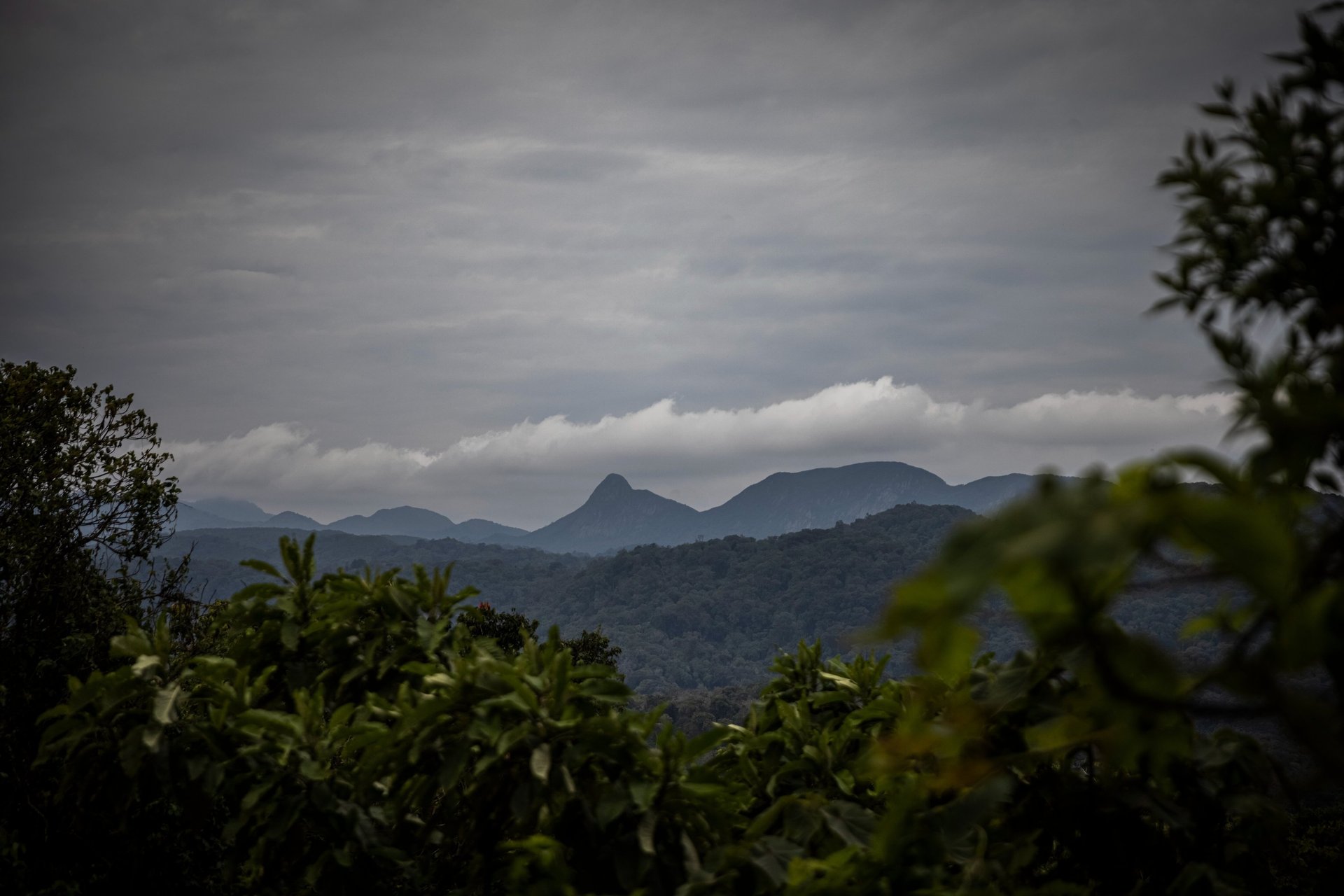
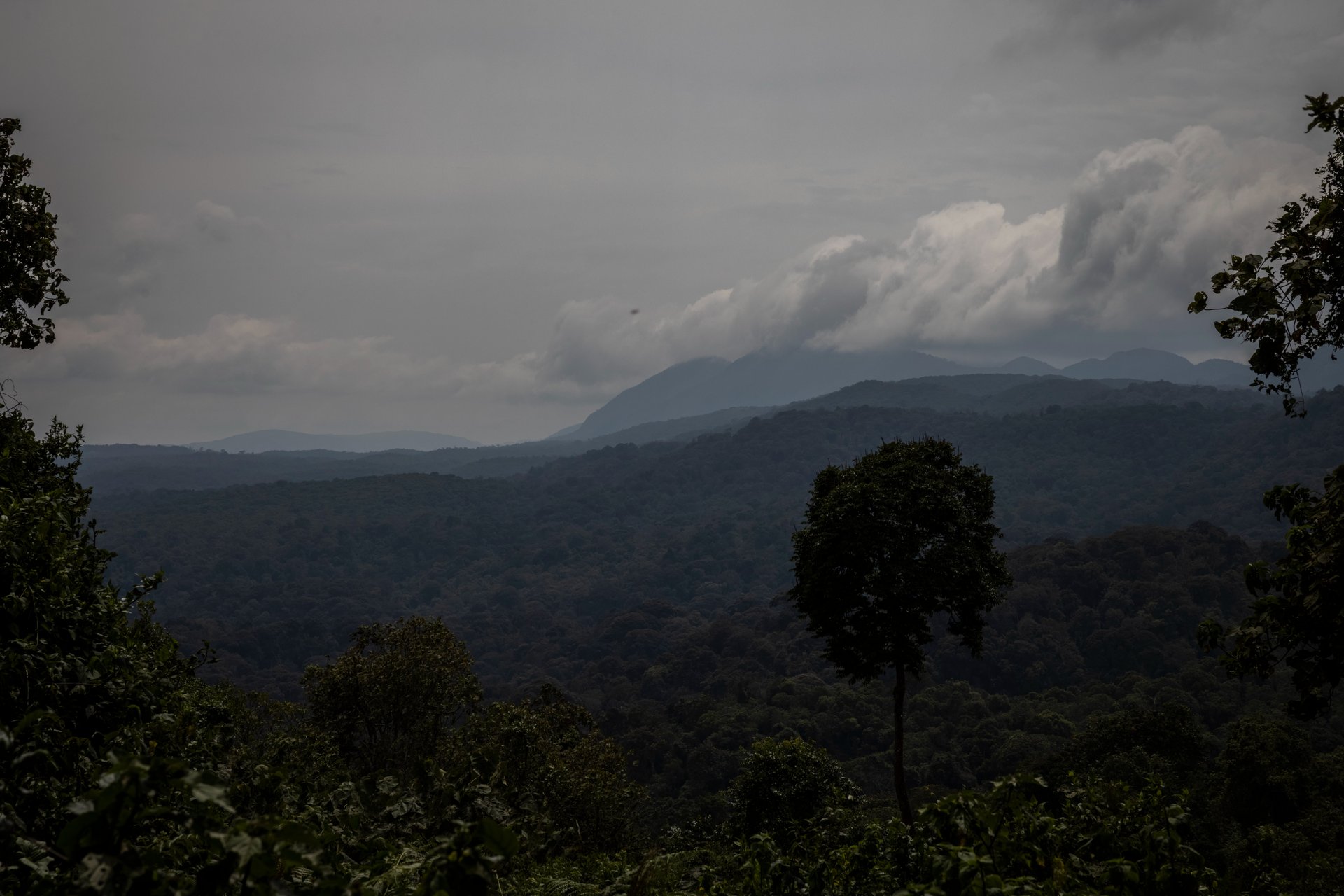
The Congo Basin represents the world's second-largest tropical rainforest after the Amazon, spanning over 2.3 million square kilometers across Central Africa. The Democratic Republic of the Congo alone holds 160 million hectares of natural forest, 60% of the entire Basin, covering 68% of its national territory. This vast green expanse is far more than a collection of trees: it is a critical planetary regulator, sequestering massive quantities of carbon, generating rainfall patterns that extend across continents, and sustaining indigenous communities whose forest-based livelihoods stretch back millennia.
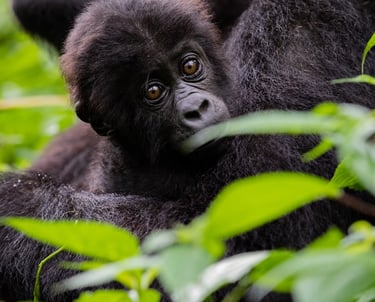
Neighboring Rwanda, though smaller, complements this ecosystem mosaic. Known as the "land of a thousand hills," Rwanda's volcanic mountains, montane forests, and lakes form an ecological bridge between the Congo Basin lowlands and the Eastern Afromontane biodiversity hotspot. Together, these landscapes harbor some of Africa's most iconic and threatened species: mountain gorillas in Volcanoes National Park, Grauer's gorillas in Kahuzi-Biega, bonobos in Lomako-Yokokala, okapi, forest elephants, and the Congo peafowl, Africa's only endemic peafowl species.
Accelerating Threats
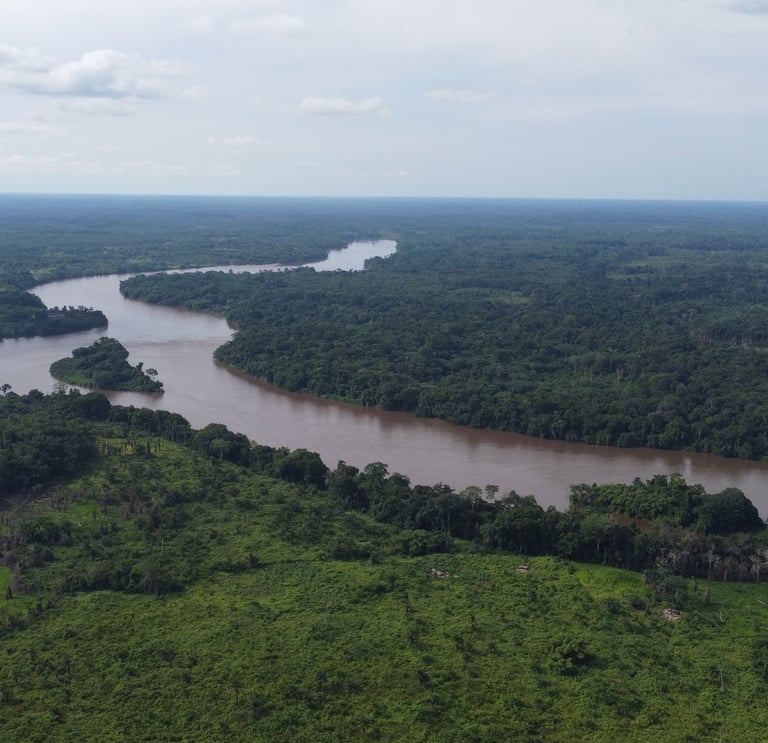
Yet this irreplaceable natural heritage faces mounting pressures. Between 1990 and 2020, the Congo Basin lost over 352,000 square kilometers of forest cover, 8.5% of its total forested area. The Democratic Republic of Congo lost 7.4 million hectares of humid primary forests between 2002 and 2024 alone, representing a 7% reduction in its most ecologically valuable forests. In 2024, forest loss reached 1.2 million hectares, releasing an estimated 820 million metric tons of CO₂ into the atmosphere.
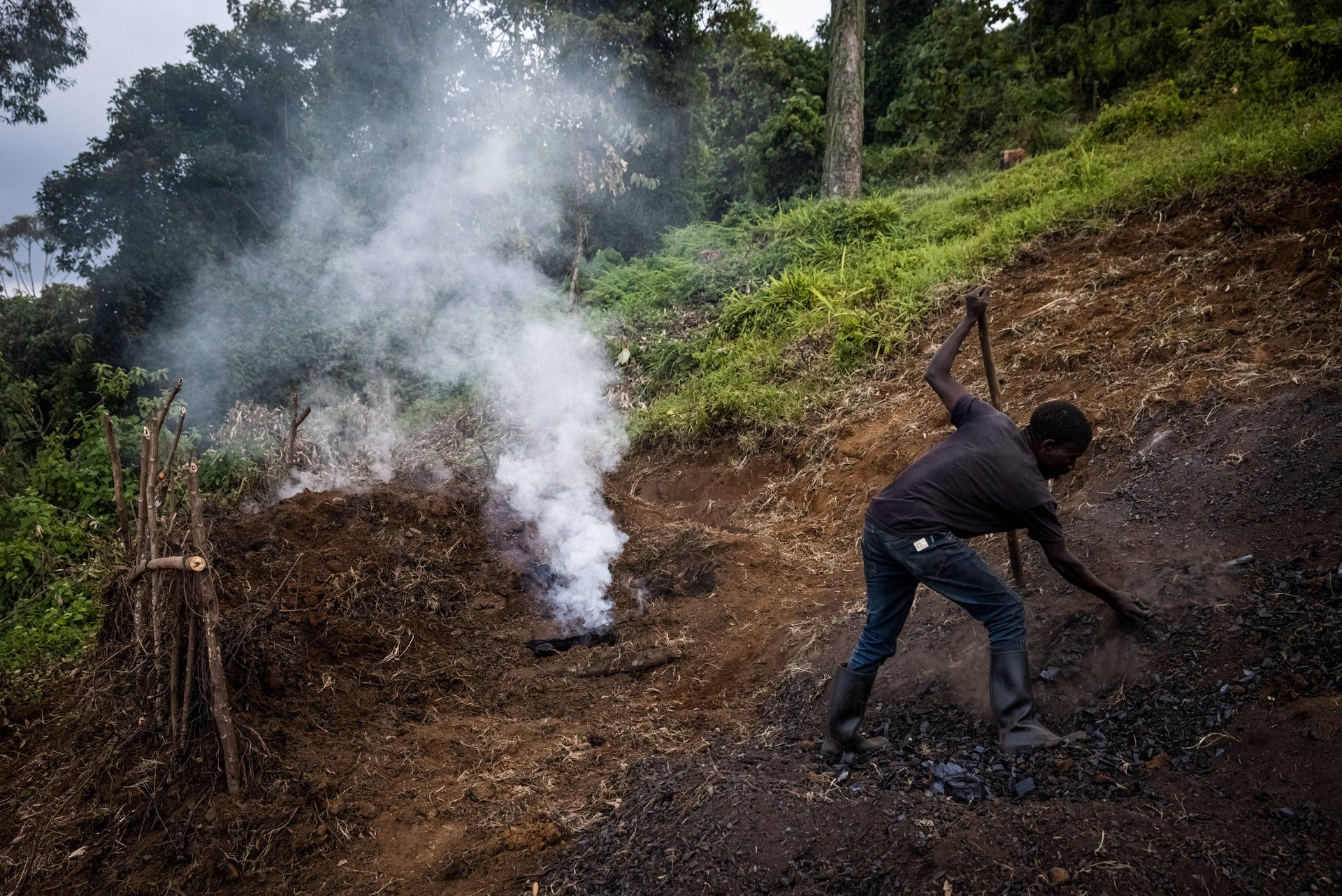
Current trajectories suggest that without intervention, an additional 174,000 to 204,000 square kilometers could disappear by 2050. The drivers are multifaceted: subsistence agriculture remains the primary cause, driven by rapid population growth and limited alternative livelihoods. Industrial agriculture, artisanal mining, and urban expansion add further pressure. In conflict-affected eastern DRC, the humanitarian crisis intensifies environmental degradation: over 800,000 internally displaced persons around Goma and Bukavu depend heavily on charcoal from protected areas for cooking and heating, while armed groups tax the illegal timber and charcoal trade, generating millions of dollars annually and undermining conservation enforcement.
Exceptional Potential Amid Complexity
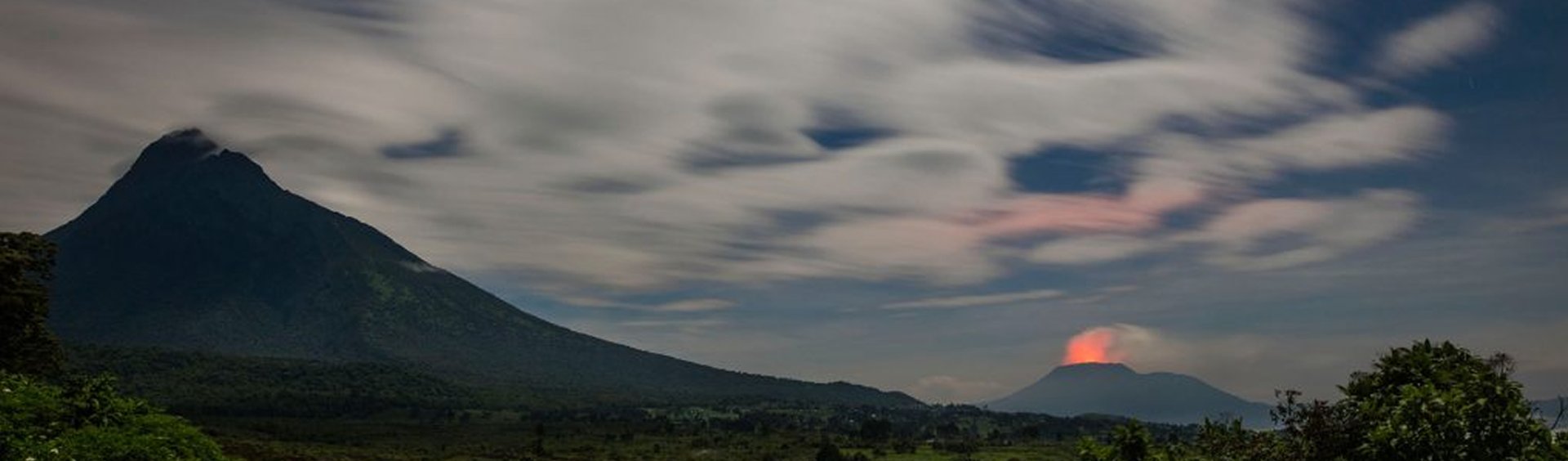
Despite these challenges, the Congo Basin's potential remains extraordinary. Its forests provide essential ecosystem services to millions: regulating water cycles, preventing soil erosion, storing carbon equivalent to decades of global emissions, and supplying food, medicine, and materials to local communities. The region's biodiversity is unmatched: Virunga National Park alone harbors more species than any other protected area in Africa, spanning habitats from lowland swamps to Afro-alpine peaks. Kahuzi-Biega protects the world's largest remaining populations of Grauer's gorilla, while Lomako-Yokokala harbors globally significant bonobo populations and serves as a potential stronghold for the Congo peafowl.
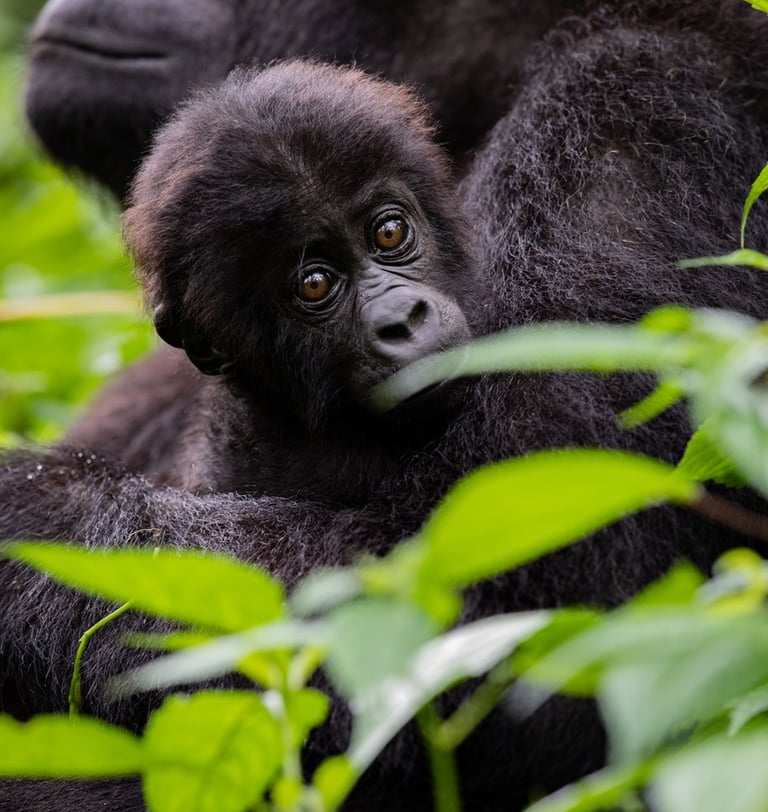
Rwanda demonstrates that conservation and development can align: its mountain gorilla tourism generates over $600 million annually (approximately 4.3% of GDP), directly funding conservation while creating thousands of jobs. Stability, clear governance, and strategic investments have made Rwanda a model for how protected areas can drive sustainable economic growth. The country's approach, combining strict protection with community revenue-sharing, offers valuable lessons for the wider region.
Artemis Africa's Integrated Response
Artemis Africa's work is grounded in this complex reality. We recognize that biodiversity conservation cannot succeed in isolation from human well-being, nor can community development be sustainable without healthy ecosystems. Our three strategic programs form an integrated response:
1. Biodiversity Conservation: We deploy cutting-edge monitoring technologies, passive acoustic recorders, camera traps, GPS telemetry, and spatial analysis, to fill critical knowledge gaps on threatened species. Our research on elusive birds like Prigogine's Owlet and Prigogine's Nightjar, telemetry work on the Congo peafowl, and inventories in under-studied sites like Lomako-Yokokala generate the scientific data essential for evidence-based management. This research directly informs IUCN Red List assessments, protected area management plans, and regional conservation strategies, transforming understanding of species' conservation status and habitat requirements.
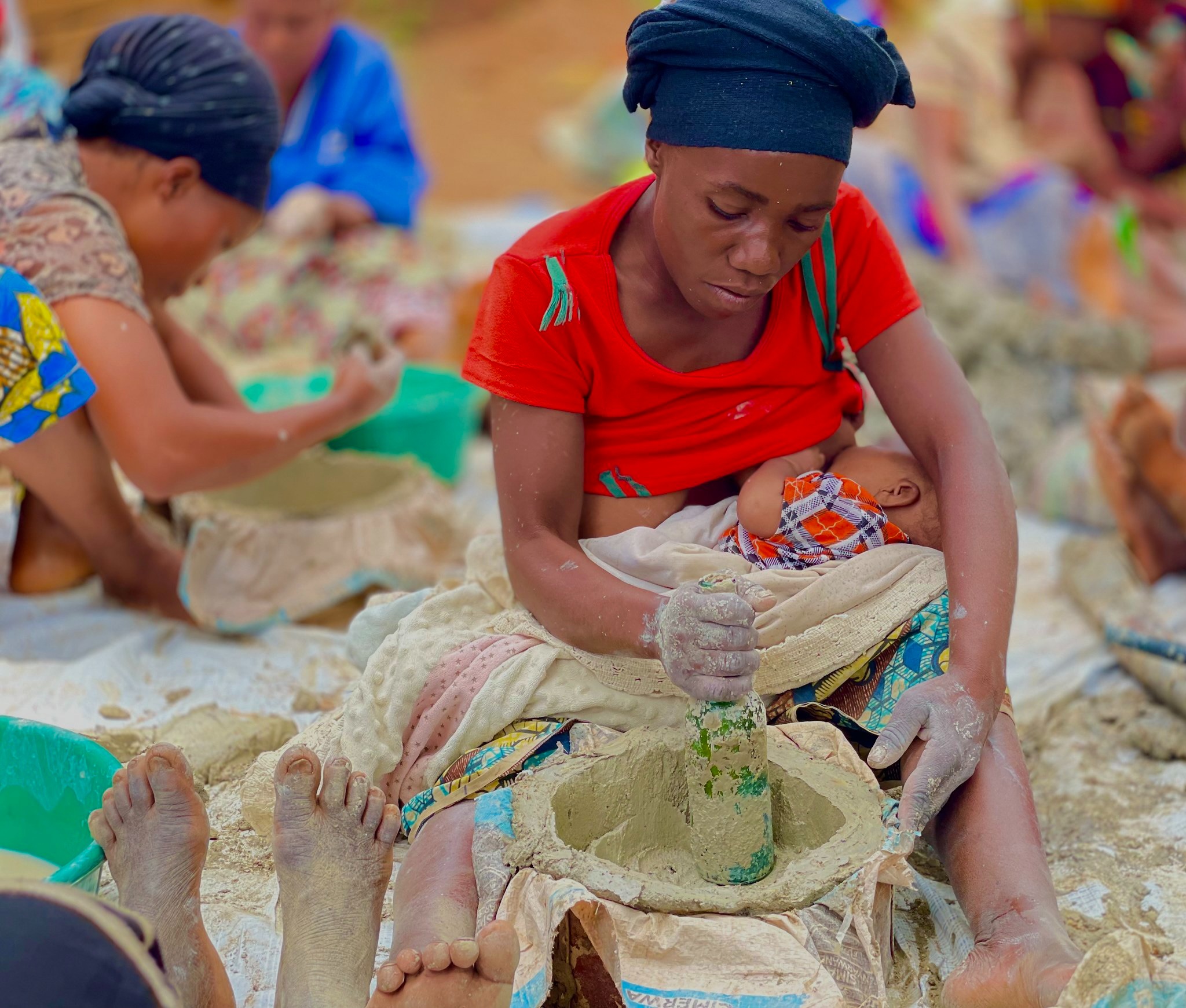
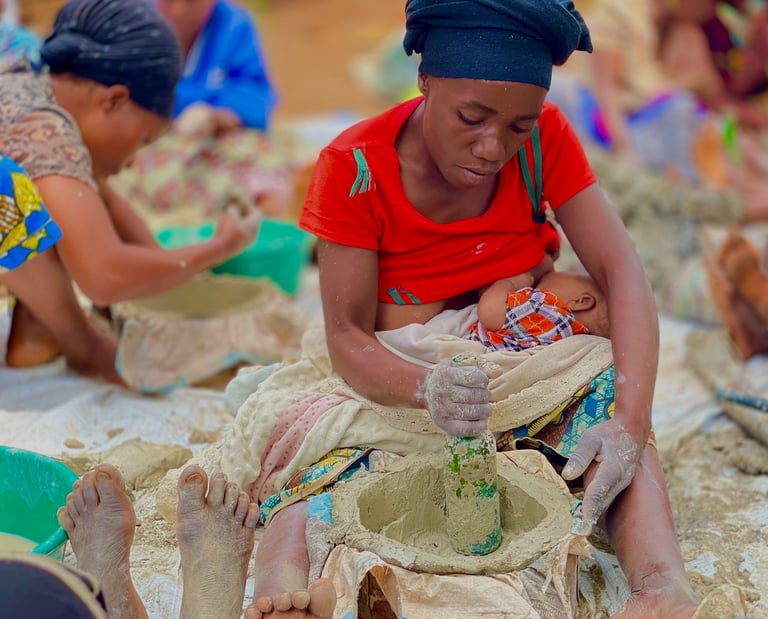
2. Community Engagement: Parallel to scientific research, we develop economically viable alternatives to forest exploitation. Our sustainable beekeeping program provides income for communities around Kahuzi-Biega and Akagera National Parks, reducing dependence on destructive activities. The OSIRIS/Bee4Future connected hive initiative pioneers IoT-enabled smart beekeeping in Central Africa, combining technological innovation with inclusive economic models. Our alternative energy program, training communities to produce combustible clay balls and improved stoves, directly reduces charcoal demand: families using these technologies cut charcoal consumption by 70-80%, decreasing pressure on protected forests while improving health outcomes by reducing indoor air pollution. Since 2021, we have trained over 1,200 producers across four villages, with an estimated 12,000-20,000 bags of charcoal saved annually, equivalent to approximately 96,000-160,000 trees preserved.
3. Ecotourism: Our Visit Congo initiative transforms conservation into economic opportunity. By developing responsible tourism products, gorilla trekking, volcano ascents, Lake Kivu expeditions, cultural encounters, and scientific tourism experiences, we generate revenues that directly fund conservation programs and community development. Thirty percent of tourism revenues are reinvested in biodiversity protection and community engagement activities, creating a virtuous cycle where visitors' experiences directly support the landscapes and communities they encounter. This model demonstrates that Congo Basin ecosystems can generate sustainable, long-term value that far exceeds short-term extractive alternatives.
Looking Forward
The Congo Basin's future hangs in the balance. Current forest loss trajectories, if unchecked, will irreversibly degrade ecosystems that regulate regional and global climate, harbor irreplaceable biodiversity, and sustain millions of people. Yet the situation is not predetermined. With strategic interventions that address both ecological and socioeconomic dimensions, a different future is possible, one where thriving forests, resilient communities, and sustainable economies coexist.
Artemis Africa's integrated approach, combining rigorous science, community-centered development, and sustainable economic models, offers a pathway forward. By producing the data that guides management decisions, developing alternatives that reduce pressure on forests, and demonstrating conservation's economic value through responsible tourism, we work to shift the trajectory from decline to resilience. Our work is local in execution but global in significance: protecting the Congo Basin's forests is not merely a regional concern but a planetary imperative, essential for climate stability, biodiversity preservation, and the well-being of present and future generations.