Practical Information
How to Travel to the DRC
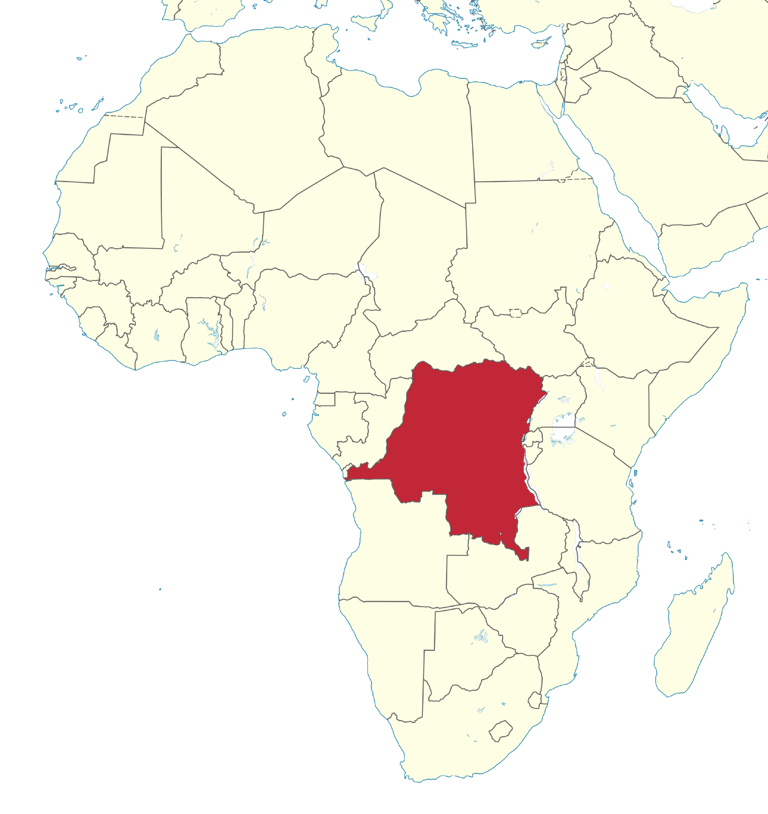
International Flights: The main entry points are Kinshasa (N’Djili International Airport) and Goma (Goma International Airport).
Domestic Flights: To reach destinations such as Kisangani, Mbandaka, or Bukavu, several local airlines offer regular and safe flights.
Ground Transportation: Minibus, taxi, and private vehicle services are available for transfers between cities and parks. Roads can be challenging, so flexible schedules are recommended.
Visa & Requirements
Most travelers must obtain a tourist visa before arrival.
A passport valid for at least 6 months after the date of entry is required.
Recommended vaccinations: Yellow fever (mandatory), as well as up-to-date tetanus, hepatitis A/B, and typhoid vaccinations.

Health & Safety
Bring a first aid kit, mosquito protection, and malaria prophylaxis is recommended.
Natural areas and parks may present risks related to wildlife and terrain; always follow the instructions of local guides.
Ensure that your travel insurance covers medical evacuation and field activities.
Climate and Travel
Equator / Congo Basin: Humid tropical climate, average temperatures 24–30°C.
Dry season: June to September and December to February, ideal for hiking and wildlife observation.
Rainy season: March–May and October–November, some roads may be slippery and tracks more difficult.
Recommended Equipment
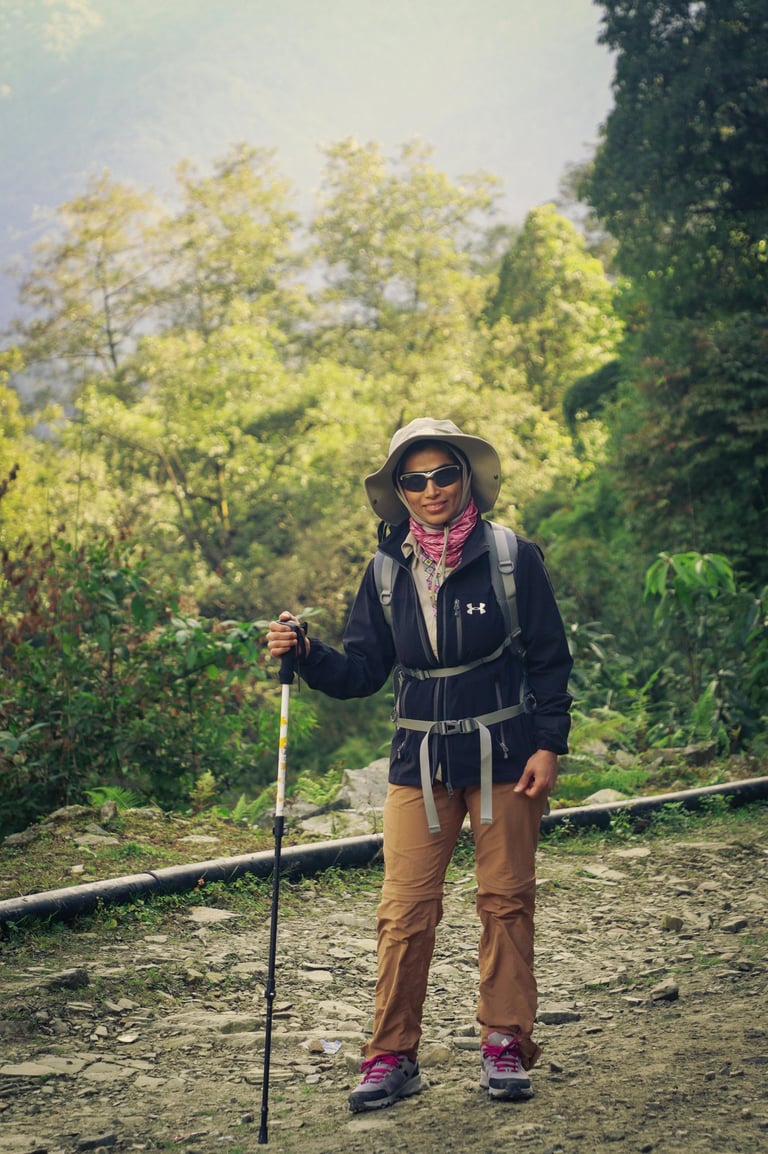
Hiking shoes, lightweight but covering clothing, cap or hat, and a reusable water bottle.
Money & Payments
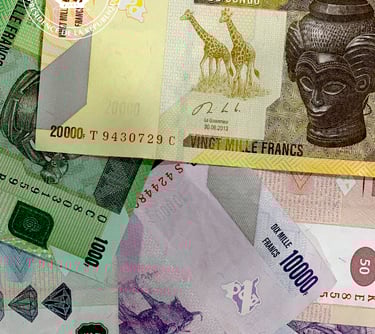
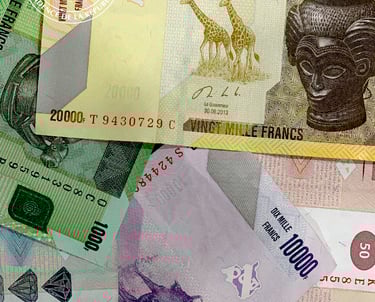
Carry cash (CDF or USD); credit cards are accepted in some hotels and restaurants. The official currency is the Congolese Franc.

Languages
French, Lingala, Swahili, and local languages depending on the region.
Electricity
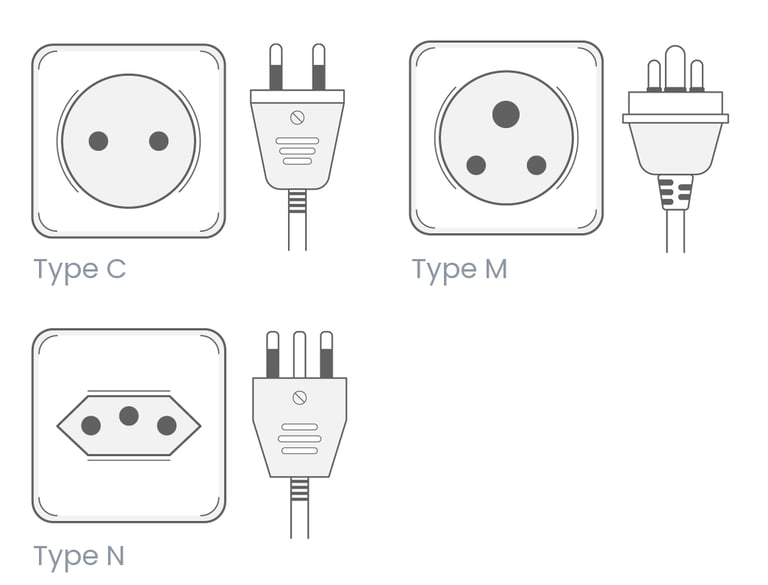
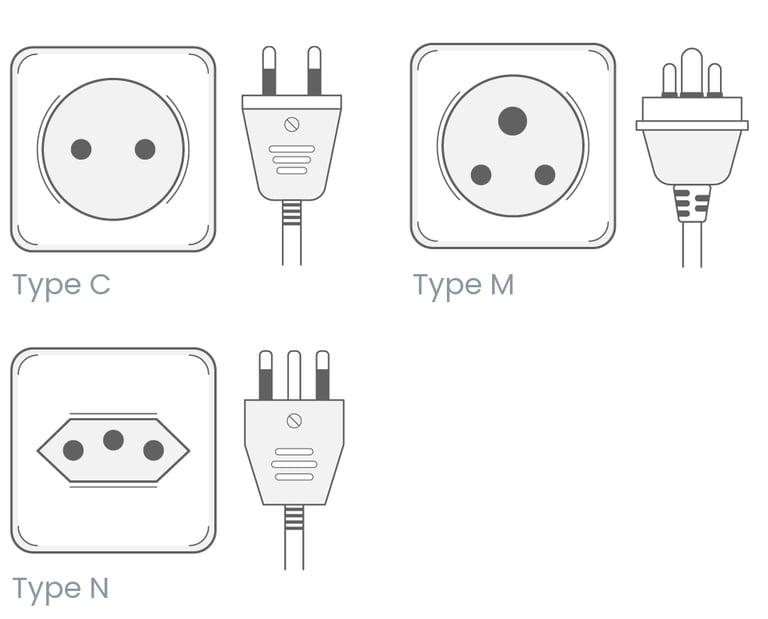
220 V, C/E/F type plugs. Adapter recommended for international visitors.