Scientific Publications
Research contributions by Artemis Africa team members
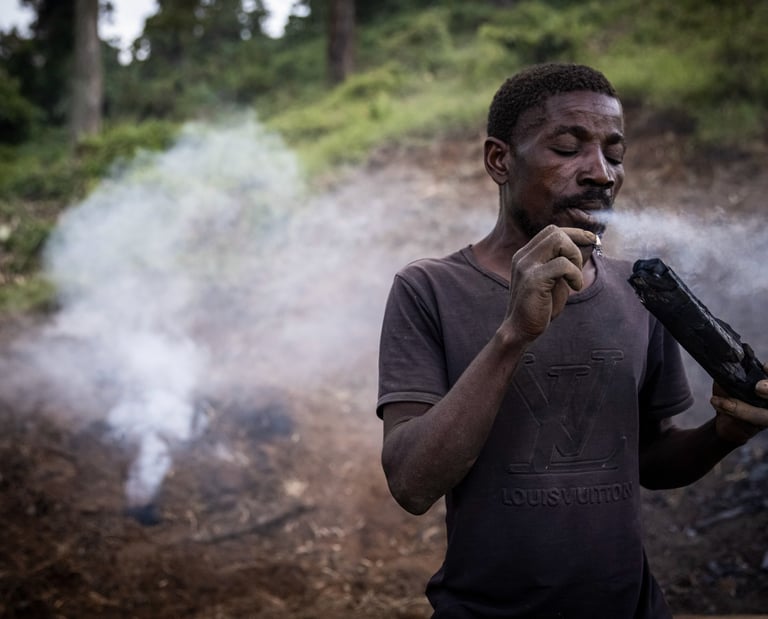
Indigenous Forest Destroyers or Guardians?
Authors : Simpson F.O., Titeca K., Pellegrini L., Muller T., Muliri Dubois M.
Journal : World Development
Year : 2025
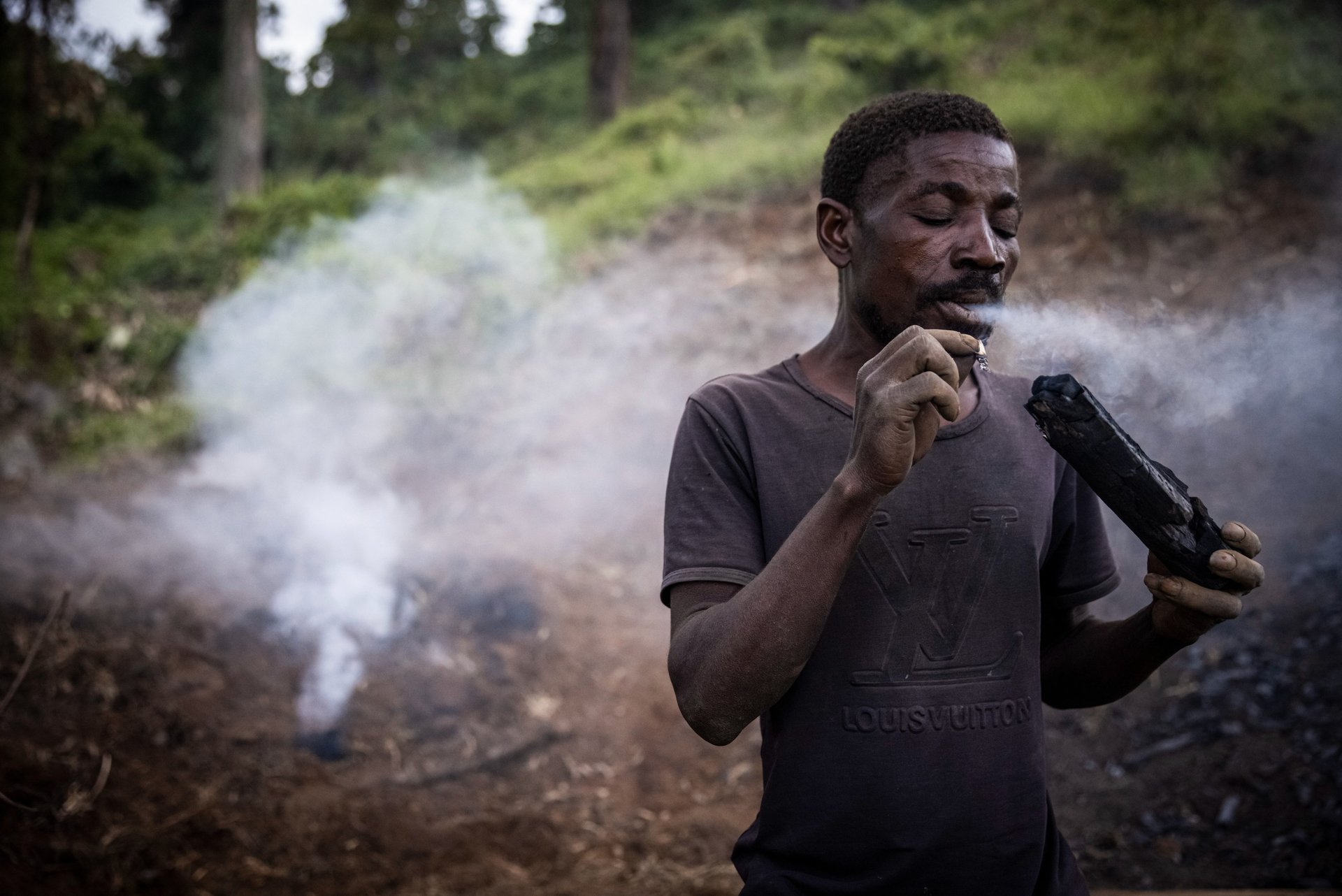
This groundbreaking study examines the complex relationship between the indigenous Batwa people and Kahuzi-Biega National Park forests in eastern DRC. Through in-depth research, Artemis Africa's Executive Director contributed to challenging simplified narratives that frame indigenous populations either as "forest destroyers" or "forest guardians." The research reveals that armed conflicts and violent extractive economies have far more significant impacts on wildlife and forests than the presence of indigenous communities alone. The study demonstrates that conservation policies based on idealized or stigmatizing narratives often fail both biodiversity and human populations, highlighting the need for more nuanced, evidence-based approaches that recognize the complexity of socio-ecological dynamics in conflict-affected conservation landscapes.
Birds Recorded in Lomako Faunal Reserve
Authors : Dinesen L., Muliri Dubois M.
Journal : Bulletin of the African Bird Club
Year : 2025
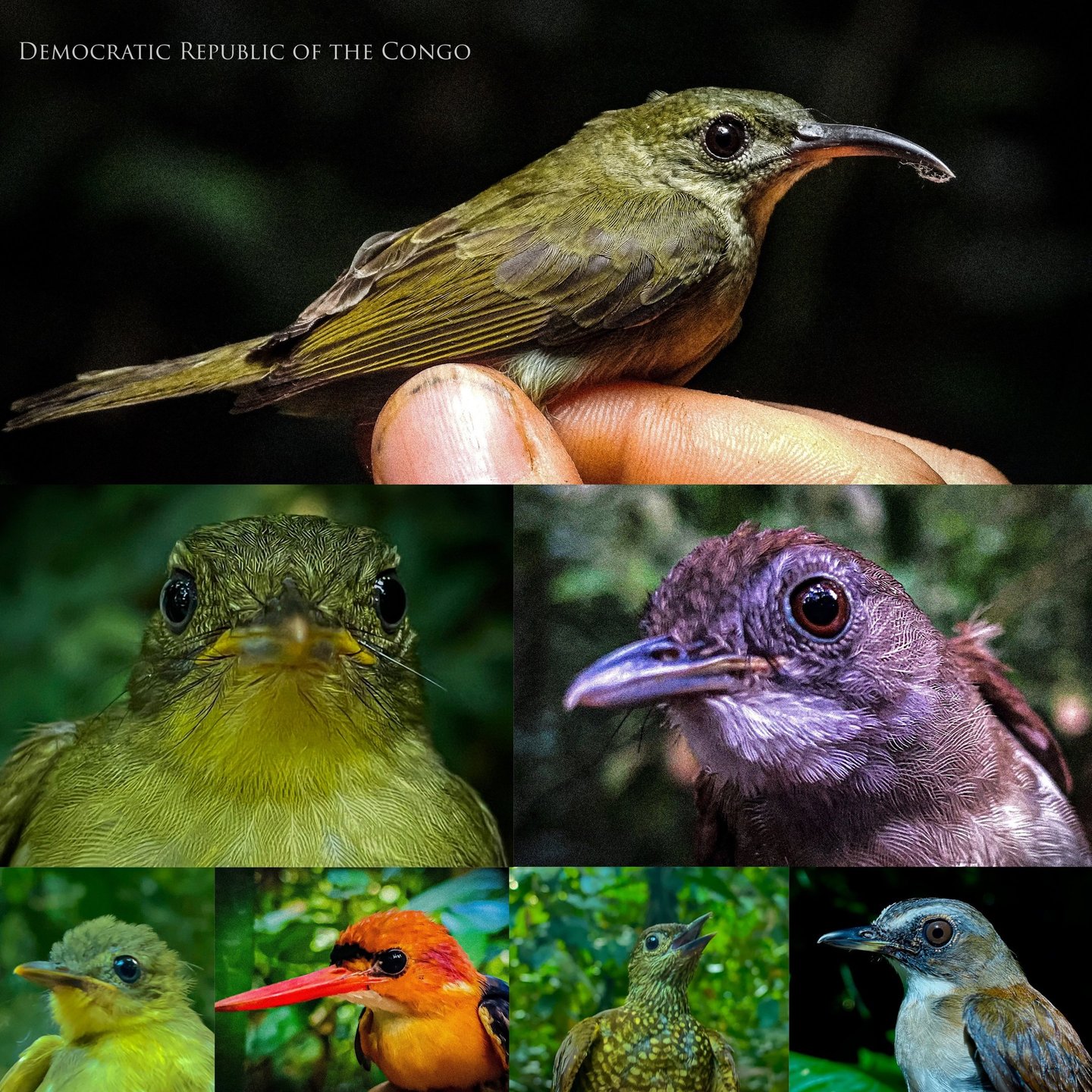
Artemis Africa conducted comprehensive avian biodiversity surveys in the pristine primary forests of Lomako-Yokokala Faunal Reserve in August 2023. Through systematic mist-netting and opportunistic observations, the team documented 116 individual birds representing 21 species captured in nets, plus 45 additional species observed in the field. The study revealed that greenbuls comprised nearly half of all captured birds, with insectivores representing 71% of the sample. Remarkably, the research documented three species never before recorded in the central Guinea-Congo forest south of the Congo River: Brown-chested Alethe, Yellow-footed Flycatcher, and Chestnut-capped Flycatcher. These findings significantly expand our understanding of avian diversity in this critically important but under-studied region of the Congo Basin, providing essential baseline data for conservation planning.
Conservation Status of the Congo Peafowl in Lomako-Yokokala
Author : Muliri Dubois M., Dinesen L., Thorup K., Sonne J.
Journal : Bird Conservation International (in press)
Year : 2026
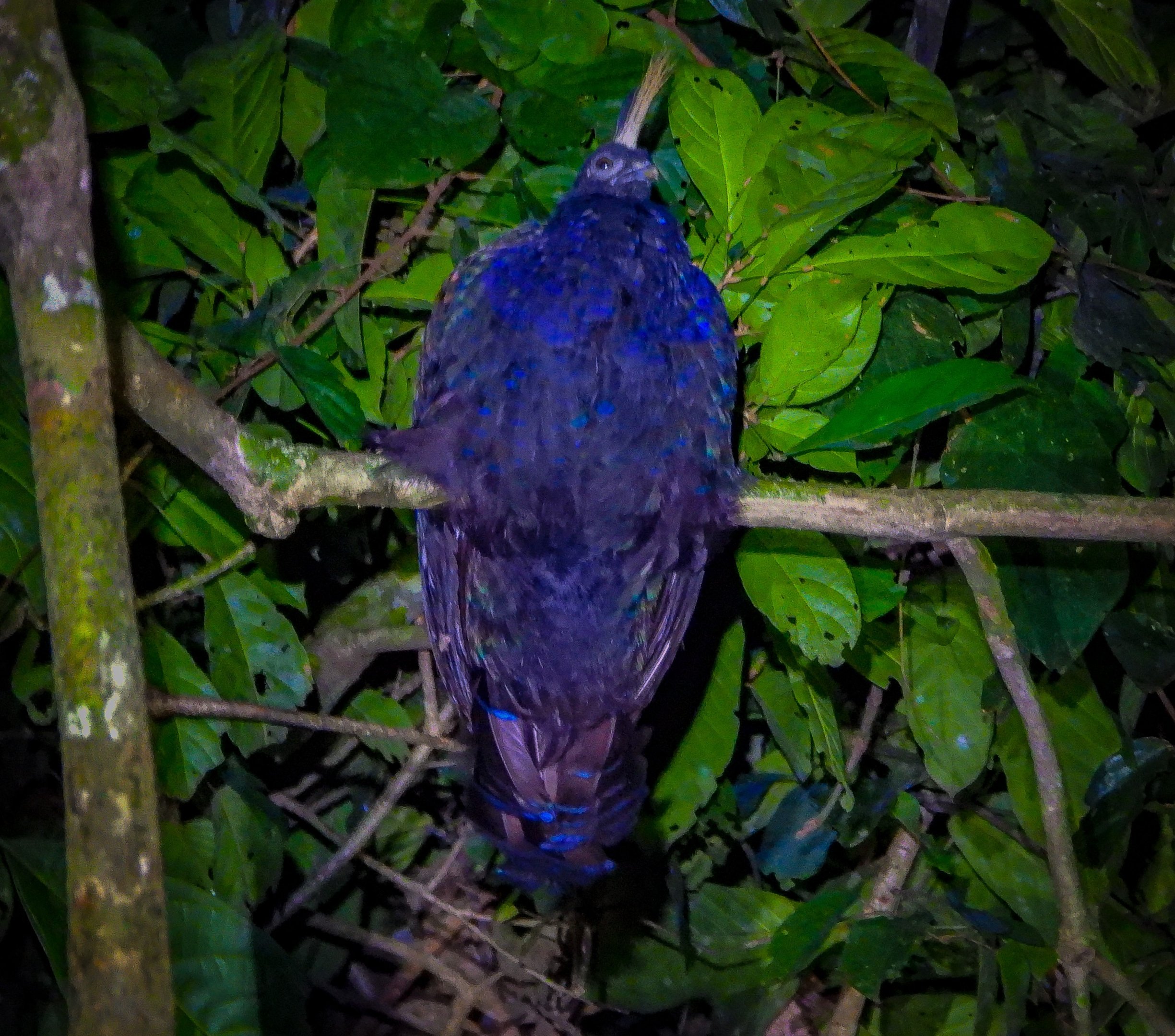
We developed the first-ever nocturnal playback protocol for the Congo Peafowl, DRC's national bird and Africa's only endemic peafowl species. Across 93 sampling points during three field missions between 2023-2025, this innovative methodology revealed detection rates 12-28% superior to conventional daytime methods, with estimated densities of 1.29-15.01 calling locations per km². These groundbreaking results suggest a significantly larger population than previously believed, indicating well-preserved intact forest habitats in the Congo Basin. Using the Congo Peafowl as a bioindicator, the research systematically evaluated the reserve's management effectiveness against 17 IUCN Green List criteria through documentary analysis, participant observation, and 123 interviews, revealing 65% overall performance with strong collaborative governance but gaps in ecological monitoring. This pioneering work demonstrates how in-depth studies of target species can provide relevant indicators for assessing protected area performance and may lead to a doubling of global population estimates for this Near Threatened species.